Buy madonna.eu ?
We are moving the project
madonna.eu .
Are you interested in purchasing the domain
madonna.eu ?
domain@kv-gmbh.de · 0541-91531010
Buy madonna.eu ?
How is avoir formed?
The verb "avoir" is formed in the present tense by conjugating the verb as follows: j'ai (I have), tu as (you have), il/elle/on a (he/she/it has), nous avons (we have), vous avez (you have), ils/elles ont (they have). In the past tense, "avoir" is formed by using the auxiliary verb "avoir" followed by the past participle of the main verb. For example, "j'ai eu" (I had), "tu as eu" (you had), "il/elle/on a eu" (he/she/it had), "nous avons eu" (we had), "vous avez eu" (you had), "ils/elles ont eu" (they had). **
When do you conjugate "avoir"?
The verb "avoir" is conjugated when talking about possession or to form compound tenses such as the passé composé. In these cases, "avoir" is conjugated according to the subject of the sentence. For example, "J'ai un chat" (I have a cat) or "Nous avons mangé" (We have eaten). **

Similar search terms for Avoir
Top-Angebote
Products related to Avoir:




-
What are the forms of avoir?
The forms of the verb "avoir" in French are: j'ai (I have), tu as (you have), il/elle/on a (he/she/it has), nous avons (we have), vous avez (you have), ils/elles ont (they have). These forms are used to express possession or to form compound tenses such as the passé composé. "Avoir" is an irregular verb in French and is one of the most commonly used verbs in the language. **
-
Does "Passer" use "avoir" or "être"?
"Passer" uses the auxiliary verb "avoir" in compound tenses. For example, in the passé composé, you would say "j'ai passé" (I have passed) using the verb "avoir" as the auxiliary. **
-
Can you help me conjugate avoir?
Sure! The verb "avoir" is conjugated as follows: - J'ai (I have) - Tu as (You have) - Il/Elle/On a (He/She/One has) - Nous avons (We have) - Vous avez (You have) - Ils/Elles ont (They have) **
-
Is Herman van Veen a singer-songwriter, pop artist, or Schlager singer?
Herman van Veen is a singer-songwriter. He is known for his folk and pop music, as well as his skills as a songwriter. While he has incorporated elements of various genres into his music, his style is primarily characterized by his thoughtful lyrics and melodic compositions. **


When do you equate the PC with avoir?
I equate the PC with avoir when the verb in the passé composé is formed using the auxiliary verb "avoir" and the past participle of the main verb. This occurs when the action expressed by the main verb is performed by the subject of the sentence and does not involve a state of being or motion. For example, "J'ai mangé" (I ate) or "Elle a parlé" (She spoke) both use the auxiliary verb "avoir" to form the passé composé. **
When are the following verbs used with "avoir"?
The following verbs are used with "avoir" when they are in the past tense. This includes actions that have been completed in the past, such as "j'ai mangé" (I ate), "tu as parlé" (you spoke), and "il a joué" (he played). These verbs indicate actions that have already happened and are no longer ongoing. **
Top-Angebote
Products related to Avoir:
-
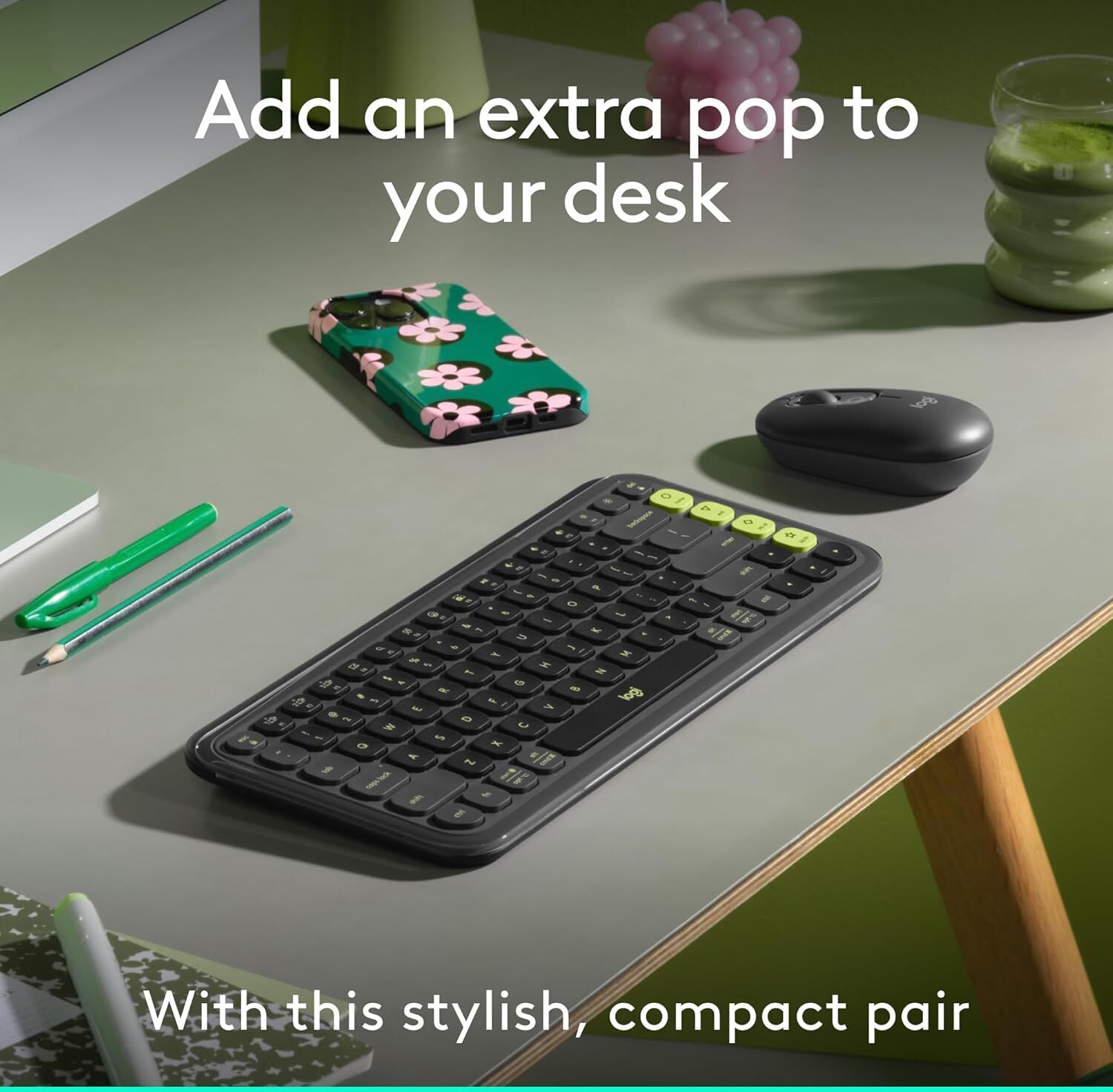
Logitech Pop Icon Combo Wireless Keyboard & Mouse Set - White, NewLogitech Pop Icon Keys – Wireless Keyboard Low-profile, contoured keys for comfortable all-day typing Quiet keypresses so you can work anywhere without disturbing others Convenient shortcut keys for media controls, screenshots, and brightness adjustments Connect up to 3 devices at once and switch between them with a single key press Long-lasting power with included AAA batteries lasting up to 3 years Universally compatible across multiple devices and operating systems Logitech Pop Icon – Wireless Optical Mouse Compact, travel-friendly design that fits comfortably in your hand SilentTouch technology for ultra-quiet clicking SmartWheel offers both precision scrolling and fast scrolling modes Dedicated emoji button (customizable with the Logi Options+ App) Connect to up to 3 devices and switch easily using the Easy-Switch button Comes with an AA battery providing up to 2 years of use47,99 £*Shipping: 0,00 £Secure redirect to the provider
-
Logitech POP ICON COMBO – Bluetooth Keyboard & Mouse (QWERTY UK, Graphite)Overview The Logitech POP ICON Combo is a stylish and compact wireless keyboard and mouse set designed for modern, multi-device users. With Bluetooth connectivity, quiet typing, and customisable shortcut keys, it blends productivity with personality. The graphite finish gives it a clean, professional look, while its compact layout makes it perfect for minimal desk setups and portable workspaces. Key Features Bluetooth wireless connectivity for cable-free setup Easy-Switch technology – connect and toggle between up to 3 devices Low-profile, comfortable keys for smooth and quiet typing SilentTouch mouse clicks – reduces noise by over 90% Programmable Action Keys and buttons via Logi Options+ software Compact, modern design with recycled materials Long battery life – up to 3 years on included batteries UK QWERTY layout for familiar typing experience Benefits The POP ICON Combo is perfect for users who want a balance of style and functionality. Its quiet typing and clicking make it ideal for shared spaces like offices, libraries, or home environments. The multi-device switching feature is especially useful for those working across laptops, tablets, and phones. With customisable shortcuts, you can streamline your workflow and access frequently used apps instantly, improving efficiency without complexity. Specifications Specification Details Product Name Logitech POP ICON Combo Layout UK QWERTY Connectivity Bluetooth (multi-device) Device Switching Up to 3 devices (Easy-Switch) Keyboard Type Low-profile, scissor keys Mouse Type Optical wireless mouse Noise Level Quiet typing & SilentTouch clicks Battery Keyboard (AAA), Mouse (AA) Battery Life Up to 3 years Compatibility Windows, macOS, iOS, Android, ChromeOS Colour Graphite69,99 £*Shipping: 0,00 £Secure redirect to the provider
-
How is avoir formed?
The verb "avoir" is formed in the present tense by conjugating the verb as follows: j'ai (I have), tu as (you have), il/elle/on a (he/she/it has), nous avons (we have), vous avez (you have), ils/elles ont (they have). In the past tense, "avoir" is formed by using the auxiliary verb "avoir" followed by the past participle of the main verb. For example, "j'ai eu" (I had), "tu as eu" (you had), "il/elle/on a eu" (he/she/it had), "nous avons eu" (we had), "vous avez eu" (you had), "ils/elles ont eu" (they had). **
-
When do you conjugate "avoir"?
The verb "avoir" is conjugated when talking about possession or to form compound tenses such as the passé composé. In these cases, "avoir" is conjugated according to the subject of the sentence. For example, "J'ai un chat" (I have a cat) or "Nous avons mangé" (We have eaten). **
-
What are the forms of avoir?
The forms of the verb "avoir" in French are: j'ai (I have), tu as (you have), il/elle/on a (he/she/it has), nous avons (we have), vous avez (you have), ils/elles ont (they have). These forms are used to express possession or to form compound tenses such as the passé composé. "Avoir" is an irregular verb in French and is one of the most commonly used verbs in the language. **
-
Does "Passer" use "avoir" or "être"?
"Passer" uses the auxiliary verb "avoir" in compound tenses. For example, in the passé composé, you would say "j'ai passé" (I have passed) using the verb "avoir" as the auxiliary. **
Similar search terms for Avoir
-
Can you help me conjugate avoir?
Sure! The verb "avoir" is conjugated as follows: - J'ai (I have) - Tu as (You have) - Il/Elle/On a (He/She/One has) - Nous avons (We have) - Vous avez (You have) - Ils/Elles ont (They have) **
-
Is Herman van Veen a singer-songwriter, pop artist, or Schlager singer?
Herman van Veen is a singer-songwriter. He is known for his folk and pop music, as well as his skills as a songwriter. While he has incorporated elements of various genres into his music, his style is primarily characterized by his thoughtful lyrics and melodic compositions. **
-
When do you equate the PC with avoir?
I equate the PC with avoir when the verb in the passé composé is formed using the auxiliary verb "avoir" and the past participle of the main verb. This occurs when the action expressed by the main verb is performed by the subject of the sentence and does not involve a state of being or motion. For example, "J'ai mangé" (I ate) or "Elle a parlé" (She spoke) both use the auxiliary verb "avoir" to form the passé composé. **
-
When are the following verbs used with "avoir"?
The following verbs are used with "avoir" when they are in the past tense. This includes actions that have been completed in the past, such as "j'ai mangé" (I ate), "tu as parlé" (you spoke), and "il a joué" (he played). These verbs indicate actions that have already happened and are no longer ongoing. **
* All prices are inclusive of VAT and, if applicable, plus shipping costs. The offer information is based on the details provided by the respective shop and is updated through automated processes. Real-time updates do not occur, so deviations can occur in individual cases. ** Note: Parts of this content were created by AI.