Buy madonna.eu ?
We are moving the project
madonna.eu .
Are you interested in purchasing the domain
madonna.eu ?
domain@kv-gmbh.de · 0541-91531010
Buy madonna.eu ?
"Sage lower classifications"
Sage lower classifications refer to the specific categories or subgroups within the broader classification of the plant genus Salvia, commonly known as sage. These lower classifications may include species, varieties, or cultivars that have distinct characteristics and are grouped together based on their genetic and morphological similarities. By organizing sage plants into lower classifications, it becomes easier for botanists and horticulturists to study, categorize, and understand the diversity within the genus Salvia. **
Is sage really poisonous?
Yes, sage can be poisonous if consumed in large quantities. The essential oils and compounds found in sage, such as thujone, can be toxic if ingested in large amounts. However, when used in culinary amounts, such as seasoning food, sage is safe to consume. It is important to use sage in moderation and consult with a healthcare professional if you have any concerns about its potential toxicity. **

Similar search terms for Terpenic-Lab-Sage-Essential
Top-Angebote
Products related to Terpenic-Lab-Sage-Essential:
-
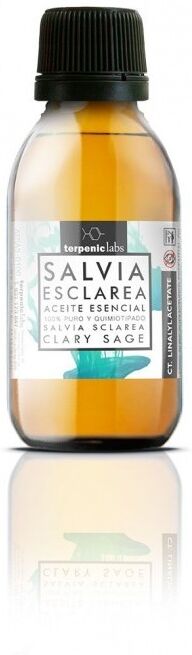
Terpenic Lab Clary Sage Essential Oil Roman 30 ml 30 mlNutrition and Supplements Natural Extracts Terpenic Lab Clary Sage Essential Oil Roman 30 ml 30 ml Clary Sage or Roman Sage It is a herbaceous plant belonging to the Lamiaceae family, native to the Mediterranean region to central Asia. It is short-lived, reaching 1 m in height when in flower. In winter it dies, leaving a basal rosette. The leaves have a woolly texture and reach 10-20 cm long and 6-12 cm wide. Its flowers appear in groups of 2-6 on the stem and are white, pink or pale purple. The essential oil is obtained by steam distillation of the leaves and flowers. Historically, Clary Sage EO has been valued for its properties such as: Menstrual regulator, Sebaceous regulator, Perspiration regulator, Circulatory tonic, Antispasmodic, Neurotonic, Relaxant. Do not use during pregnancy and lactation.18,56 £*Shipping: 3,99 £Secure redirect to the provider
-
Terpenic Lab Petitgrain Essential Oil 10mlHealth and Beauty First aid kit Terpenic Lab Petitgrain Essential Oil 10ml Properties: Antidepressant, Antispasmodic, Sedative, Tissue regenerator, Anti-inflammatory Indications: Tachycardia, Arrhythmia, Hypertension, Colitis, Stress, Anxiety, Nervous Spasms Aromatic Family: Citrus Combines with: Lavender, Star Anise, Lavandino. Precautions: Do not use during the first 3 months of pregnancy.6,29 £*Shipping: 3,99 £Secure redirect to the provider
-
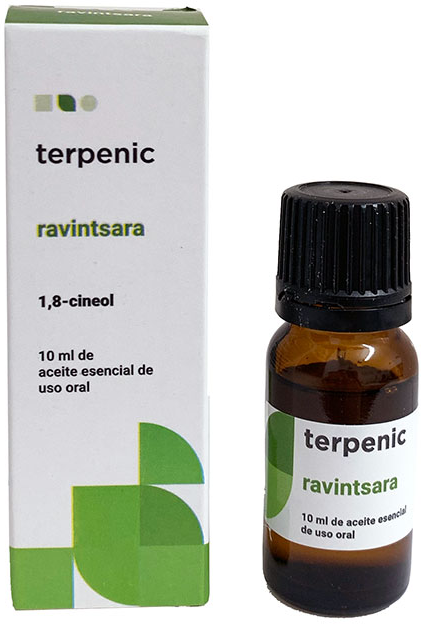
Terpenic Lab Ravintsara Essential Oil 10mlNutrition and Supplements Natural Extracts Terpenic Lab Ravintsara Essential Oil 10ml Properties: Antiviral, Antimicrobial, Expectorant, Spasmolytic, Anti-inflammatory, Immunostimulant. Indications: Bronchitis, Flu, Cough, Herpes, Environmental antiseptic, muscle contractures. Do not confuse with Ravensara. Food, topical and oral use.10,16 £*Shipping: 3,99 £Secure redirect to the provider
-
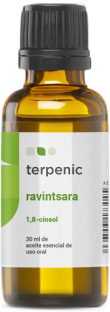
Terpenic Lab Ravintsara Essential Oil 30mlNutrition and Supplements Natural Extracts Terpenic Lab Ravintsara Essential Oil 30ml Properties: Antiviral, Antimicrobial, Expectorant, Spasmolytic, Anti-inflammatory, Immunostimulant. Indications: Bronchitis, Flu, Cough, Herpes, Environmental antiseptic, muscle contractures. Not to be confused with Ravensara. Food, topical and oral use.25,94 £*Shipping: 3,99 £Secure redirect to the provider
-
Does dried sage stick?
Yes, dried sage can stick to surfaces. When dried sage is crushed or ground, it can release natural oils that make it sticky. This stickiness can help the dried sage adhere to food or other surfaces, making it a useful ingredient in cooking and seasoning. However, the stickiness of dried sage may vary depending on its quality and how it is processed. **
-
What are essential and non-essential needs?
Essential needs are items or services that are necessary for survival and well-being, such as food, water, shelter, and healthcare. Non-essential needs are things that are not necessary for survival but can enhance quality of life, such as entertainment, luxury items, and travel. Distinguishing between essential and non-essential needs can help individuals prioritize their spending and focus on what is most important for their overall well-being. **
-
Who would win: Jiraiya in Sage Mode or Naruto in Sage Mode?
It is difficult to determine a clear winner between Jiraiya in Sage Mode and Naruto in Sage Mode as both characters are incredibly powerful and skilled in their own right. Jiraiya is a legendary Sannin with years of experience and a wide range of jutsu at his disposal, while Naruto is the protagonist of the series and possesses immense chakra and the ability to connect with the Nine-Tails. Ultimately, the outcome of a battle between the two would depend on various factors such as strategy, environment, and the specific circumstances of the fight. **
-
What are essential and non-essential amino acids?
Essential amino acids are amino acids that cannot be synthesized by the body and must be obtained from the diet. There are nine essential amino acids: histidine, isoleucine, leucine, lysine, methionine, phenylalanine, threonine, tryptophan, and valine. Non-essential amino acids, on the other hand, are amino acids that the body can produce on its own, so they do not need to be obtained from the diet. There are 11 non-essential amino acids: alanine, arginine, asparagine, aspartic acid, cysteine, glutamic acid, glutamine, glycine, proline, serine, and tyrosine. Both essential and non-essential amino acids are crucial for the synthesis of proteins and other important molecules in the body. **


Where can I buy sage?
Sage can typically be found in health food stores, specialty spice shops, or in the spice section of most grocery stores. It is also widely available for purchase online through various retailers. Additionally, you may be able to find fresh sage at farmer's markets or in the produce section of some grocery stores. **
Does sage tea have caffeine?
No, sage tea does not contain caffeine. Sage tea is an herbal tea made from the leaves of the sage plant, which does not naturally contain caffeine. This makes it a good option for those looking to avoid caffeine in their beverages. Sage tea is known for its earthy flavor and potential health benefits, such as improving digestion and reducing inflammation. **
Top-Angebote
Products related to Terpenic-Lab-Sage-Essential:
-
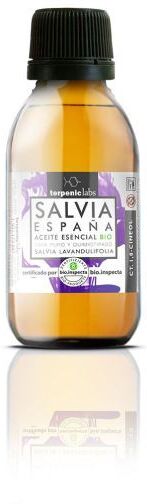
Terpenic Lab Sage Essential Oil Spain 10 mlNutrition and Supplements Natural Extracts Terpenic Lab Sage Essential Oil Spain 10 ml Historically, Sage Essential Oil from Spain has been valued for its properties as: analgesic, antirheumatic, antiseptic, bactericidal, balsamic, and healing. Muscle decontracting, deodorant, diuretic, emmenagogue, expectorant, hypertensive, immunostimulant, lipolytic, mucolytic Hormonal regulator, circulatory tonic, lymphatic tonic, muscle tonic.6,47 £*Shipping: 3,99 £Secure redirect to the provider
-
Terpenic Lab Clary Sage Essential Oil 10 mlHealth and Beauty First aid kit Terpenic Lab Clary Sage Essential Oil 10 ml Distilled part: Whole plant Origin: Russia Properties: Menstrual regulator Sebaceous regulator Perspiration regulator Circulatory tonic Antispasmodic Neurotonic Relaxing - Indications: Amenorrhea ****, Dysmenorrhea ****, Menopause ****, Hair loss ***, Acne ***, Oily hair ***, Varicose veins **, Hemorrhoids **, Nervous fatigue ** - Aromatic Family: Herbal. - Combines with: Cedar, Juniper, Citronella, Lime, Geranium. - Precautions: Do not use during pregnancy and breastfeeding. - Professionals only? Oral use only under prescription. Aromatic Council Amenorrhea Clary Sage + Marjoram + Rosemary Verbenone + Clove. 1 drop of each essential oil on a sugar cube twice daily during the week before your expected period.9,69 £*Shipping: 3,99 £Secure redirect to the provider
-
Terpenic Lab Clary Sage Essential Oil Roman 30 ml 30 mlNutrition and Supplements Natural Extracts Terpenic Lab Clary Sage Essential Oil Roman 30 ml 30 ml Clary Sage or Roman Sage It is a herbaceous plant belonging to the Lamiaceae family, native to the Mediterranean region to central Asia. It is short-lived, reaching 1 m in height when in flower. In winter it dies, leaving a basal rosette. The leaves have a woolly texture and reach 10-20 cm long and 6-12 cm wide. Its flowers appear in groups of 2-6 on the stem and are white, pink or pale purple. The essential oil is obtained by steam distillation of the leaves and flowers. Historically, Clary Sage EO has been valued for its properties such as: Menstrual regulator, Sebaceous regulator, Perspiration regulator, Circulatory tonic, Antispasmodic, Neurotonic, Relaxant. Do not use during pregnancy and lactation.18,56 £*Shipping: 3,99 £Secure redirect to the provider
-
Terpenic Lab Petitgrain Essential Oil 10mlHealth and Beauty First aid kit Terpenic Lab Petitgrain Essential Oil 10ml Properties: Antidepressant, Antispasmodic, Sedative, Tissue regenerator, Anti-inflammatory Indications: Tachycardia, Arrhythmia, Hypertension, Colitis, Stress, Anxiety, Nervous Spasms Aromatic Family: Citrus Combines with: Lavender, Star Anise, Lavandino. Precautions: Do not use during the first 3 months of pregnancy.6,29 £*Shipping: 3,99 £Secure redirect to the provider
-
"Sage lower classifications"
Sage lower classifications refer to the specific categories or subgroups within the broader classification of the plant genus Salvia, commonly known as sage. These lower classifications may include species, varieties, or cultivars that have distinct characteristics and are grouped together based on their genetic and morphological similarities. By organizing sage plants into lower classifications, it becomes easier for botanists and horticulturists to study, categorize, and understand the diversity within the genus Salvia. **
-
Is sage really poisonous?
Yes, sage can be poisonous if consumed in large quantities. The essential oils and compounds found in sage, such as thujone, can be toxic if ingested in large amounts. However, when used in culinary amounts, such as seasoning food, sage is safe to consume. It is important to use sage in moderation and consult with a healthcare professional if you have any concerns about its potential toxicity. **
-
Does dried sage stick?
Yes, dried sage can stick to surfaces. When dried sage is crushed or ground, it can release natural oils that make it sticky. This stickiness can help the dried sage adhere to food or other surfaces, making it a useful ingredient in cooking and seasoning. However, the stickiness of dried sage may vary depending on its quality and how it is processed. **
-
What are essential and non-essential needs?
Essential needs are items or services that are necessary for survival and well-being, such as food, water, shelter, and healthcare. Non-essential needs are things that are not necessary for survival but can enhance quality of life, such as entertainment, luxury items, and travel. Distinguishing between essential and non-essential needs can help individuals prioritize their spending and focus on what is most important for their overall well-being. **
Similar search terms for Terpenic-Lab-Sage-Essential
-
Terpenic Lab Ravintsara Essential Oil 10mlNutrition and Supplements Natural Extracts Terpenic Lab Ravintsara Essential Oil 10ml Properties: Antiviral, Antimicrobial, Expectorant, Spasmolytic, Anti-inflammatory, Immunostimulant. Indications: Bronchitis, Flu, Cough, Herpes, Environmental antiseptic, muscle contractures. Do not confuse with Ravensara. Food, topical and oral use.10,16 £*Shipping: 3,99 £Secure redirect to the provider
-
Terpenic Lab Ravintsara Essential Oil 30mlNutrition and Supplements Natural Extracts Terpenic Lab Ravintsara Essential Oil 30ml Properties: Antiviral, Antimicrobial, Expectorant, Spasmolytic, Anti-inflammatory, Immunostimulant. Indications: Bronchitis, Flu, Cough, Herpes, Environmental antiseptic, muscle contractures. Not to be confused with Ravensara. Food, topical and oral use.25,94 £*Shipping: 3,99 £Secure redirect to the provider
-
Terpenic Lab Clary Sage Hydrolate 250 mlHealth and Beauty Facial Cleansing Terpenic Lab Clary Sage Hydrolate 250 ml This hydrosol is used for all skin types, it also has a sebum-regulating effect. It can be used pure as a tonic for oily, acne-prone, dry, mature skin, with couperosis, etc. It can be added in the preparation of creams, deodorants, shampoos, etc. All skin types Skin toner and astringent excessive perspiration Dandruff and hair loss Venous and lymphatic decongestant11,52 £*Shipping: 3,99 £Secure redirect to the provider
-
Terpenic Lab Clary Sage Hydrolate 500 mlHealth and Beauty Hair Treatments Terpenic Lab Clary Sage Hydrolate 500 ml Clary sage is a relative of common sage, although both the plant and its essential oil are very different. Clary sage can grow up to one meter tall. It has large leaves that give off a very intense and persistent aroma upon mere touch. The flower is also very aromatic and bright. Its color ranges from pale pink to magenta. Cosmetic properties: - All skin types. - Skin tonic and astringent. - Excessive perspiration. - Dandruff and hair loss. - Venous and lymphatic tonic. - Hormonal regulator. Cosmetic uses: - Pure on the face after cleansing. - In cleansing lotions. - In the aqueous phase of emulsions. - In masks. - In deodorants. Organic hydrolate for cosmetic use, 100% pure without additives.16,36 £*Shipping: 4,99 £Secure redirect to the provider
-
Who would win: Jiraiya in Sage Mode or Naruto in Sage Mode?
It is difficult to determine a clear winner between Jiraiya in Sage Mode and Naruto in Sage Mode as both characters are incredibly powerful and skilled in their own right. Jiraiya is a legendary Sannin with years of experience and a wide range of jutsu at his disposal, while Naruto is the protagonist of the series and possesses immense chakra and the ability to connect with the Nine-Tails. Ultimately, the outcome of a battle between the two would depend on various factors such as strategy, environment, and the specific circumstances of the fight. **
-
What are essential and non-essential amino acids?
Essential amino acids are amino acids that cannot be synthesized by the body and must be obtained from the diet. There are nine essential amino acids: histidine, isoleucine, leucine, lysine, methionine, phenylalanine, threonine, tryptophan, and valine. Non-essential amino acids, on the other hand, are amino acids that the body can produce on its own, so they do not need to be obtained from the diet. There are 11 non-essential amino acids: alanine, arginine, asparagine, aspartic acid, cysteine, glutamic acid, glutamine, glycine, proline, serine, and tyrosine. Both essential and non-essential amino acids are crucial for the synthesis of proteins and other important molecules in the body. **
-
Where can I buy sage?
Sage can typically be found in health food stores, specialty spice shops, or in the spice section of most grocery stores. It is also widely available for purchase online through various retailers. Additionally, you may be able to find fresh sage at farmer's markets or in the produce section of some grocery stores. **
-
Does sage tea have caffeine?
No, sage tea does not contain caffeine. Sage tea is an herbal tea made from the leaves of the sage plant, which does not naturally contain caffeine. This makes it a good option for those looking to avoid caffeine in their beverages. Sage tea is known for its earthy flavor and potential health benefits, such as improving digestion and reducing inflammation. **
* All prices are inclusive of VAT and, if applicable, plus shipping costs. The offer information is based on the details provided by the respective shop and is updated through automated processes. Real-time updates do not occur, so deviations can occur in individual cases. ** Note: Parts of this content were created by AI.